01
Weathered, Flaking or Rough Sandstone
Suitable diamond brushing or controlled grinding can refine deteriorating superficial stone.

Professional outdoor sandstone and natural stone paving restoration in Sydney, including deep chemical cleaning, mechanical diamond brushing, grout repairs and premium penetrating sealing.
Professional outdoor sandstone and natural stone paving restoration in Sydney, including deep chemical cleaning, mechanical diamond brushing, grout repairs and premium penetrating sealing.
DISCUSS YOUR PROJECT →Outdoor natural stone paving is constantly exposed to rain, UV, organic debris, moisture and foot traffic. Over time, sandstone, limestone, travertine and other suitable outdoor stone surfaces can become discoloured, stained, slippery, rough or weathered. At Urban Stone Restoration, we provide professional outdoor stone and tile restoration across Sydney using stone-specific chemical cleaning, mechanical diamond brushing or honing, appropriate repairs and high-quality penetrating sealing.
Sandstone is particularly porous and can absorb water, grime and organic contamination deep into the surface. Algae, lichen, mould, tannins from leaves, dirt and atmospheric pollutants may cause dark staining and an uneven appearance. Some stone also develops flaking or friable surface layers after repeated weather exposure. Ordinary pressure washing can clean loose surface dirt, but it may not remove deeply embedded contamination or damaged stone. Excessively aggressive pressure washing can also damage soft stone, loosen joints or increase surface roughness.
We inspect the paving, steps, joints, drainage and condition of the stone. We identify the material and assess contamination, existing coatings, weathering, flaking, moisture issues and any damaged or missing grout. We also discuss the desired appearance and the anti-slip finish required for outdoor areas, including around swimming pools.
We select professional stone-safe alkaline cleaners to loosen and break down embedded grime and suitable organic contamination. Depending on the staining, we may use targeted treatments for algae, mould, lichen or discolouration, followed by controlled agitation and thorough rinsing. Any treatment must be suitable for the specific stone. We avoid acid-based cleaning on acid-sensitive limestone and travertine and do not assume that iron oxidation or deeply absorbed stains can always be fully removed.
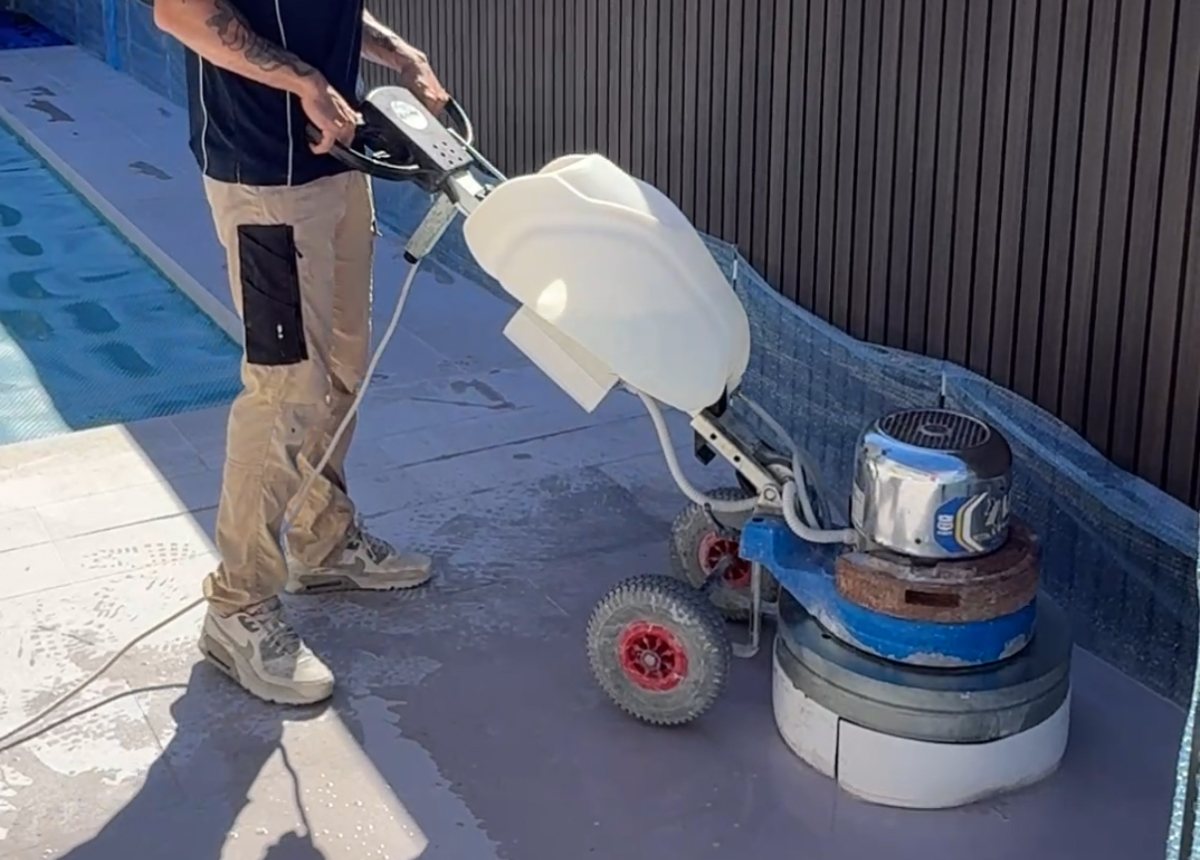
For suitable sandstone and textured natural stone paving, our professional machines can use mechanical diamond brushes to refine the surface, remove loose or deteriorated superficial stone, dislodge stubborn embedded contamination and improve the overall consistency of the paving. Where the stone condition calls for it, we may use controlled diamond grinding or honing instead. We select the tooling and abrasive grade carefully to preserve the stone's character and create an appropriate natural-looking, slip-conscious outdoor texture. This is a mechanical restoration process—not simply a pressure wash.
After cleaning and surface restoration, we assess loose or missing grout, deteriorated joints, damaged edges and localised stone defects. Compatible repairs can be undertaken where included in the agreed scope. Where joint movement or drainage problems are evident, we explain the underlying issue before recommending a repair.
Sealing is an important part of our outdoor natural stone restoration service when the stone is suitable. Once the surface is properly cleaned, rinsed and sufficiently dry for the selected product, we apply a professional impregnating sealer designed to penetrate the pores rather than leave an easily peeling topical film. This helps reduce water absorption, slows the penetration of many contaminants and makes ongoing maintenance more manageable. Highly porous sandstone can absorb substantial amounts of sealer. Depending on the product specifications and the stone's absorption, two applications may be appropriate. The chosen sealer and coverage are assessed for each project; sealing reduces staining risk but does not make stone waterproof or stain-proof.
We check the overall finish and provide recommendations for curing, foot traffic, cleaning and future maintenance. We generally recommend pH-neutral stone cleaning products, prompt removal of leaves and organic debris, and avoiding harsh acids or unsuitable pressure washing. Because outdoor surfaces are exposed to UV, moisture and heavy wear, resealing may be required periodically; for many exposed outdoor projects we recommend checking protection and considering professional maintenance around every 18–24 months, depending on conditions, sealer performance and usage.
A pressure wash primarily removes surface debris and some contamination. Our restoration approach can combine targeted chemical cleaning, diamond-brush mechanical refinement, repairs and penetrating sealing to address a broader range of weather-related deterioration. The right scope depends on the stone's condition: sound pavers may only require professional cleaning and sealing, while severely flaking or structurally unsound pieces may need replacement.
Diamond brushing can improve the appearance and texture of suitable weathered sandstone by refining the superficial layer and removing loose material. We assess the depth of deterioration and do not promise that all damage can be removed.
We consider the location and aim to preserve or create an appropriate textured outdoor finish. Slip performance depends on the material, final texture, water, contaminants and site conditions; testing may be needed for particular compliance requirements.
Yes, suitable penetrating sealing is a key finishing stage in the restoration service. We allow appropriate drying and select a compatible sealer for the porosity and exposure of the stone. Depending on absorption, two coats may be appropriate.
Service life depends on the product, porosity, UV exposure, rainfall, cleaning methods and traffic. We recommend monitoring performance and considering a professional clean and reseal around every 18–24 months for many exposed outdoor areas rather than relying on a long manufacturer's warranty alone.
Not always. Organic contamination can often be substantially reduced, but deep oxidation, moisture-related staining or discolouration originating within the stone may require specialist treatment and can be permanent.
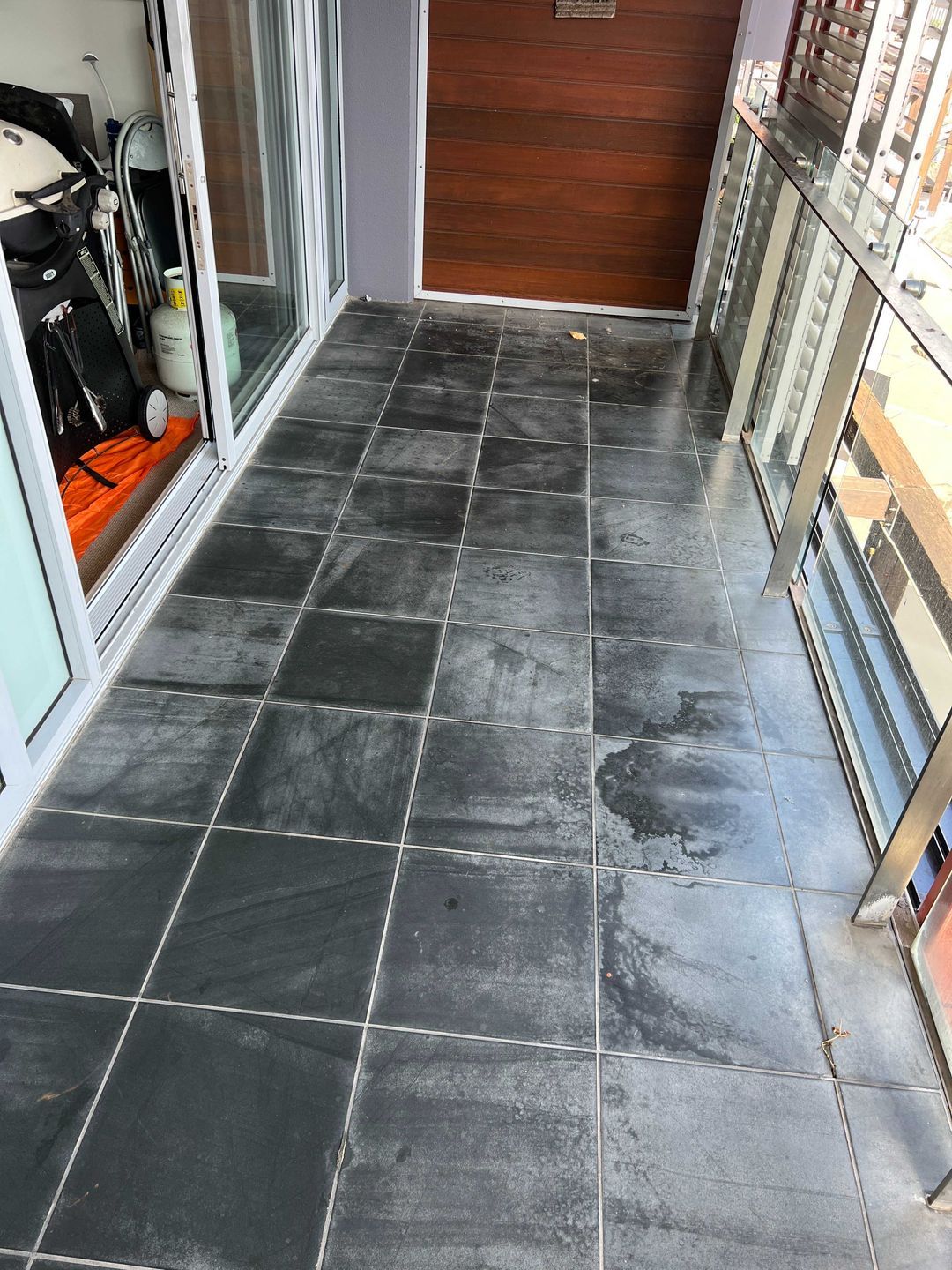
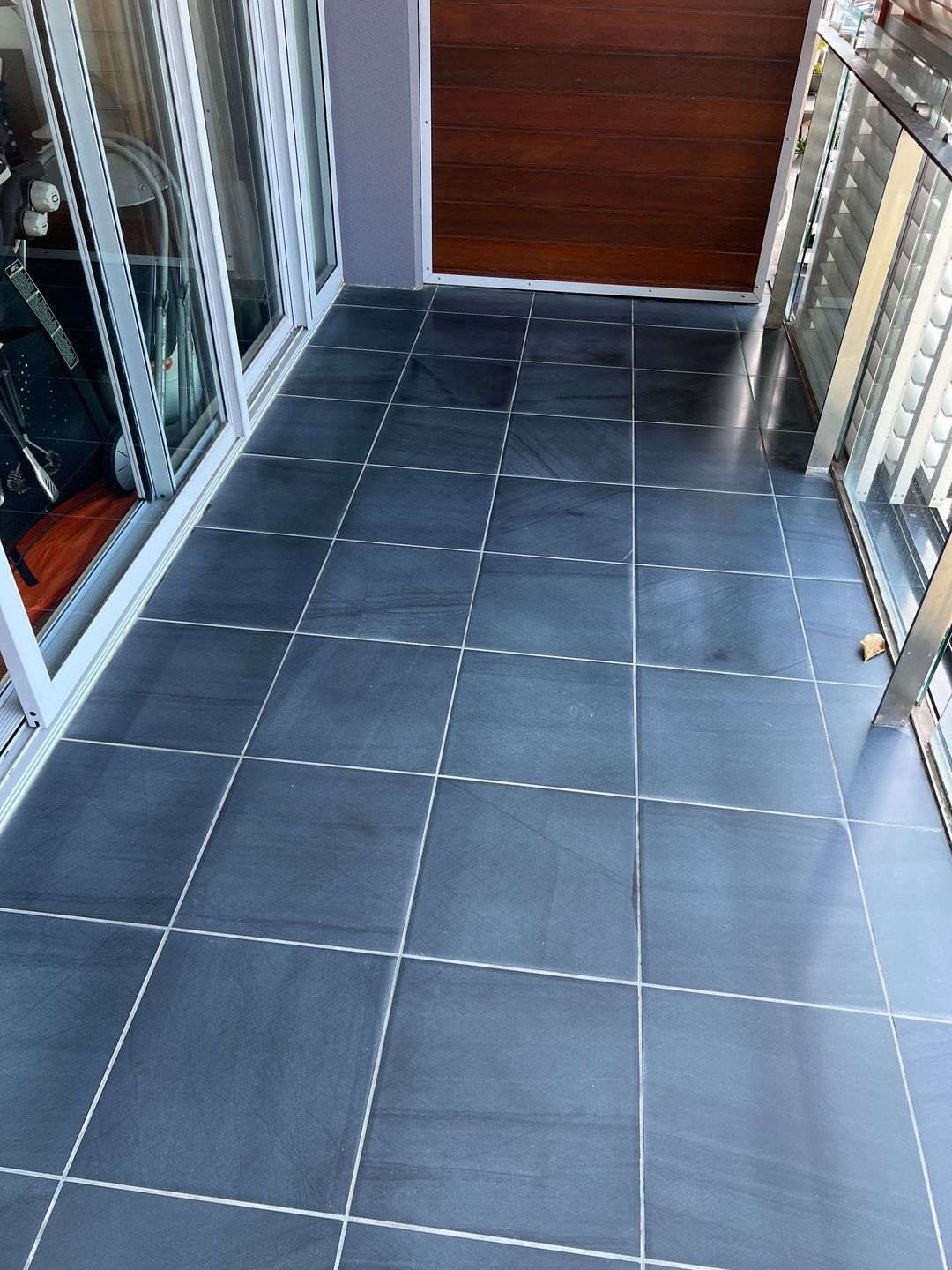
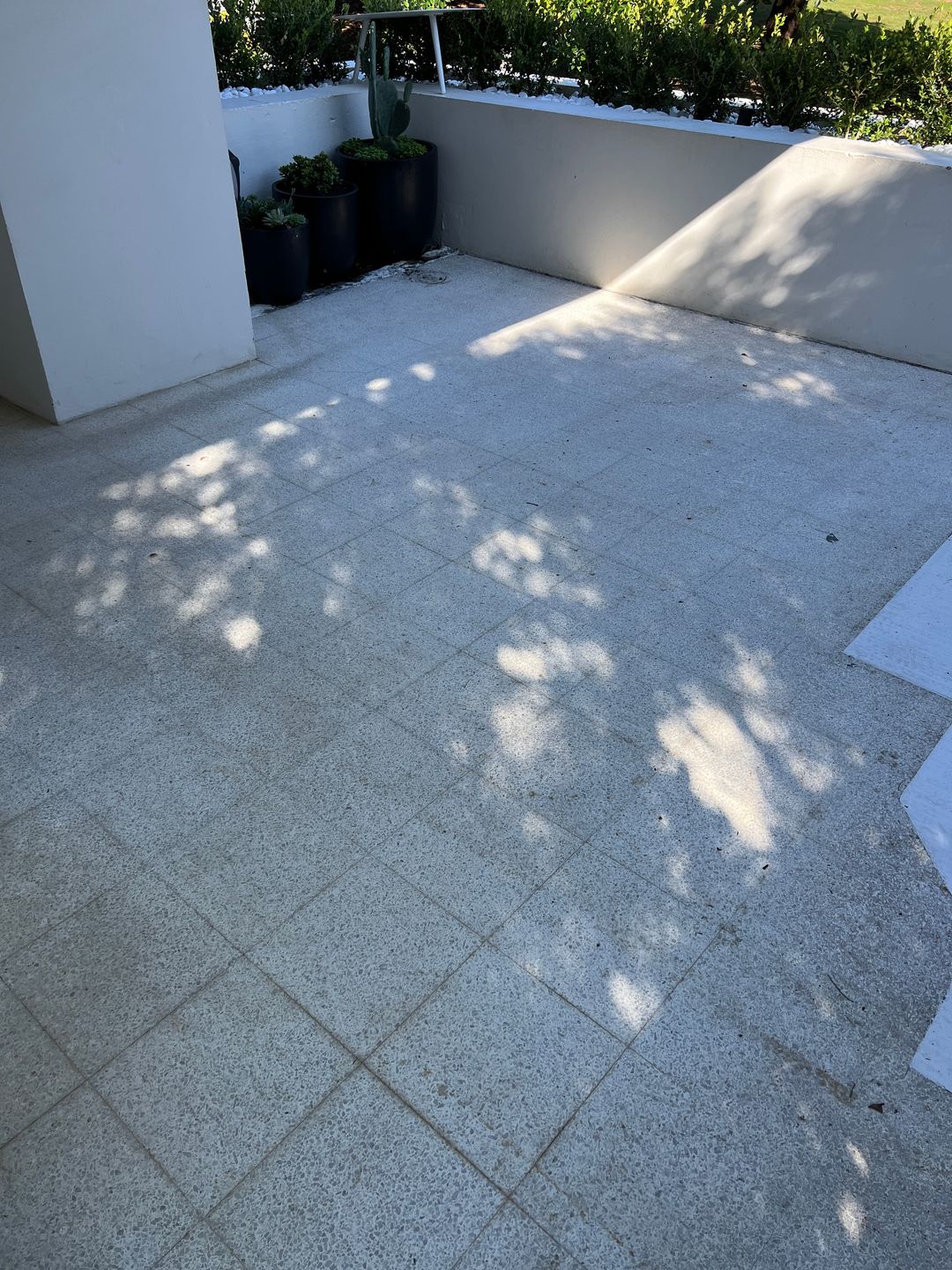
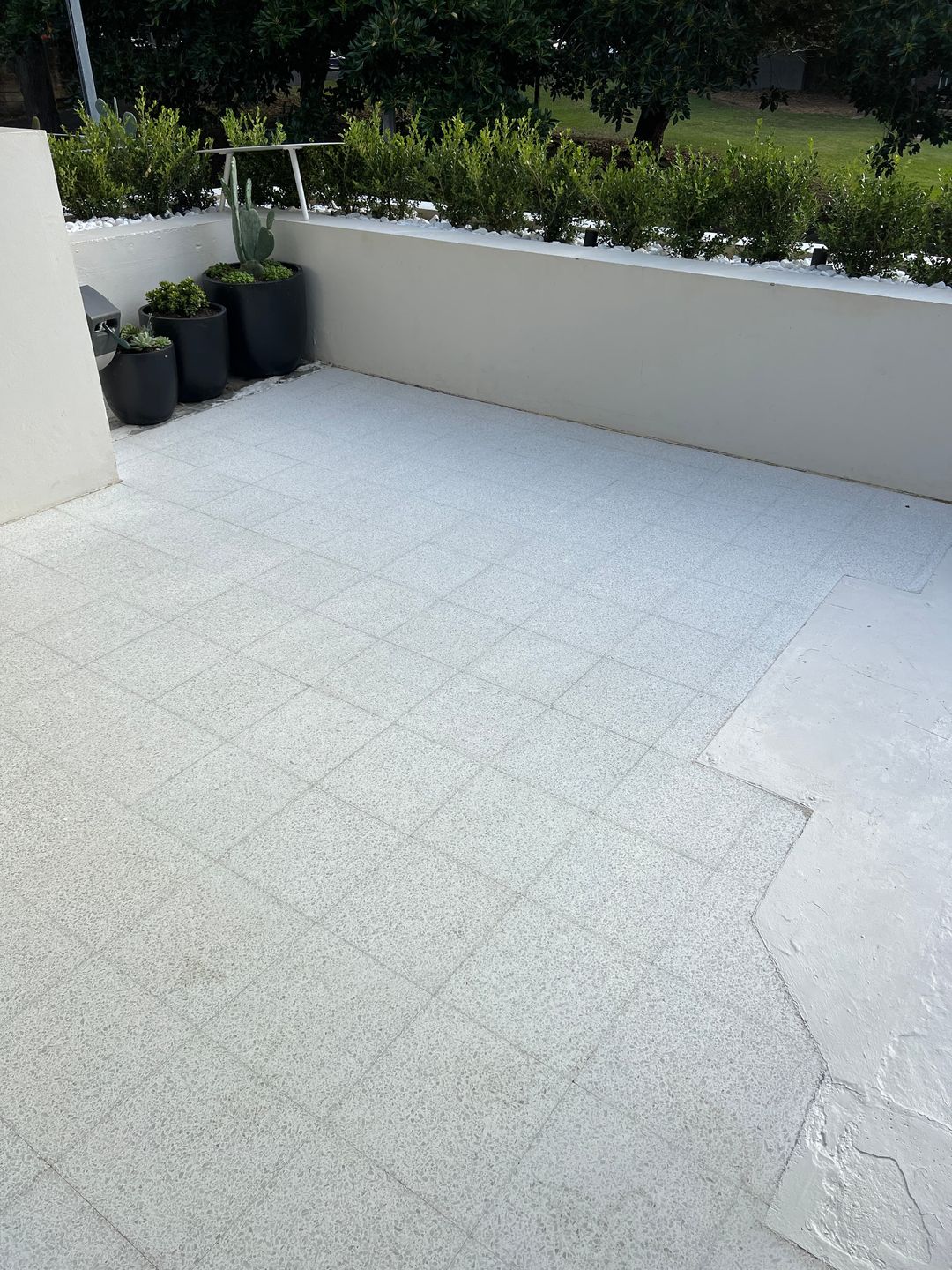


Send clear photographs of the whole area, close-ups of problem sections and the approximate square metres. We can review the condition, arrange an inspection if necessary and recommend the appropriate cleaning, diamond-brushing, repair and sealing process for your outdoor paving.
Every surface is assessed before work begins so the restoration plan matches the material, damage, and finish you want.
Suitable diamond brushing or controlled grinding can refine deteriorating superficial stone.
Specialist alkaline cleaning and targeted treatments improve contaminated outdoor paving.
High-grade impregnating sealing helps reduce absorption and staining risk.
See the same stone surface before and after our work.
Review the material, damage, access, and finish expectations.
Protect surrounding areas and prepare the surface for treatment.
Deep clean, repair and progressively hone, grind or polish the surface to the agreed finish where appropriate.
Where suitable, apply a premium impregnating sealer to reduce absorption and staining. For grout or silicone, complete the appropriate finishing and curing checks.
Provide cleaning, curing and maintenance guidance tailored to the treated surface.
“Ali was professional, honest, reliable and easy to communicate with. He was very careful in doing the work and we're very happy with the result.”
Malcolm Jones“The service and quality of work was excellent. The actual work was completed in a timely manner.”
Indriany Ruslim“Ali did a fantastic job restoring our chipped, stained and etched marble. It looks brand new.”
Susan THave a different question? Send photos of the surface and a short description of the issue.
ASK URBAN STONE →Many marks can be reduced or removed, but the outcome depends on the stone, depth of damage, previous treatments, and condition. We set realistic expectations after assessment.
Small areas may be completed in a day, while larger or more complex projects take longer. Timing is confirmed after inspection.
We protect adjacent finishes and use controlled wet or dust-managed methods where appropriate. The work area is cleaned before handover.
We provide aftercare guidance suited to the material and finish, including suitable cleaning products and habits to avoid.
Send photographs of the entire area, close-ups of damage and approximate measurements for an assessment and quote.