01
Hairline Cracks
Assess fine cracks for movement and reduce their visual impact where a local repair is suitable.

We repair cracks and chips in stone surfaces to prevent further damage and restore a neat, natural appearance.
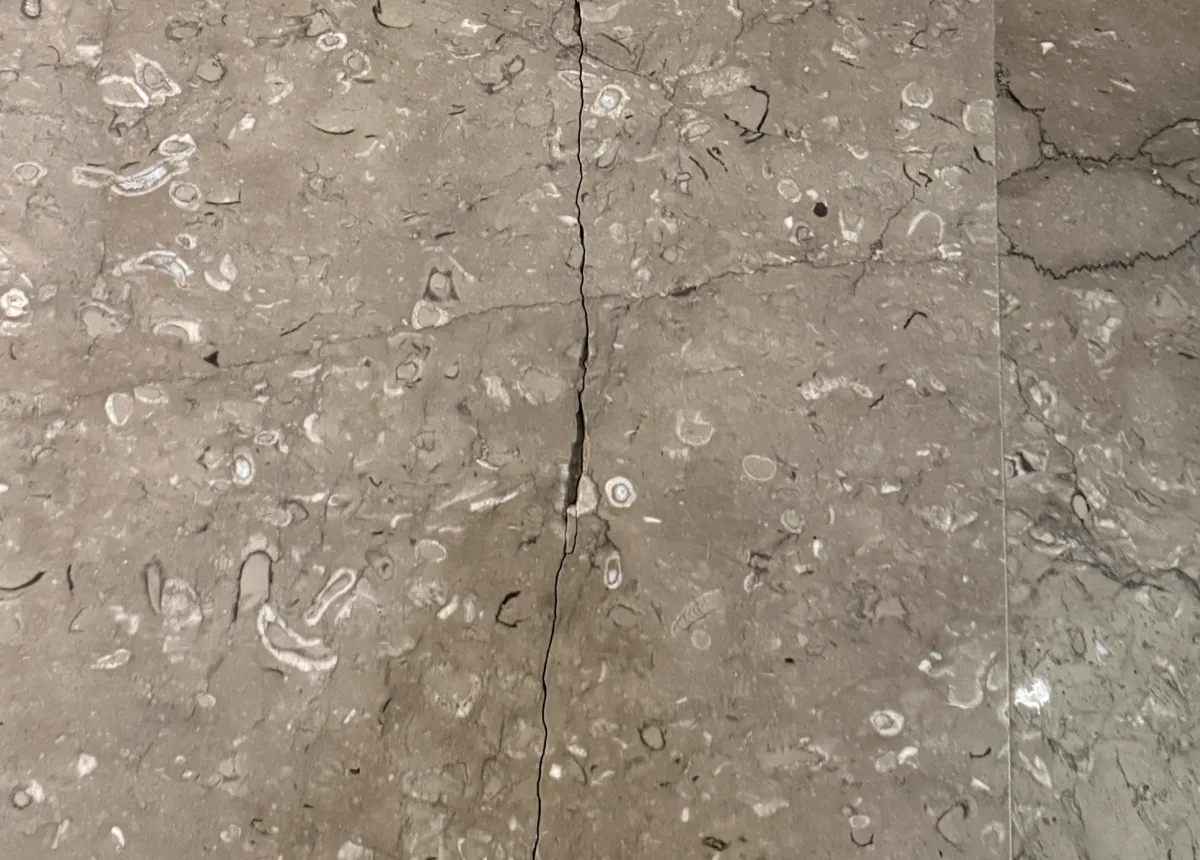
We repair cracks and chips in stone surfaces to prevent further damage and restore a neat, natural appearance.
DISCUSS YOUR PROJECT →Chips, cracks and damaged edges in natural stone can affect appearance and performance. We inspect suitable marble, limestone, travertine, terrazzo and granite surfaces and recommend a repair method based on the stone, damage location, movement and whether the area is wet or outdoors.
We examine the crack or chip and check for ongoing movement, substrate problems or moisture. Some structural damage cannot be addressed with a cosmetic fill alone. We prepare the area and choose a compatible filler, resin or adhesive with the stone's colour and finish in mind.
Appropriate products are carefully placed, shaped and refined to better integrate with the surrounding surface. Where suitable, mechanical honing or polishing can be used to blend the repaired area. An exact invisible match cannot be guaranteed, especially where the natural stone varies in colour and veining.
For suitable damage, we can tint a compatible resin to blend with the surrounding stone. Once the resin has cured, we refine it flush with the surface and, where suitable, hone or polish the area to match the existing sheen. A repair can still be visible, especially on heavily veined stone or where a chip crosses several colours.
If a crack keeps opening, the stone moves under pressure or water is getting into the area, the cause needs to be addressed first. A surface fill alone won’t fix loose tiles, ongoing movement or a moisture problem. We’ll explain whether a local repair is practical or whether a wider repair or replacement is worth considering.
Where sealing forms part of the agreed scope and the material is suitable, we assess the repaired stone and apply a compatible impregnating sealer after adequate curing and preparation. This may help reduce absorption of adjacent porous stone, but it does not strengthen a structural crack, stop movement or prevent all staining.
We explain curing times, cleaning recommendations and any restrictions on use. Protecting a repaired joint from ongoing stress and moisture problems is important.
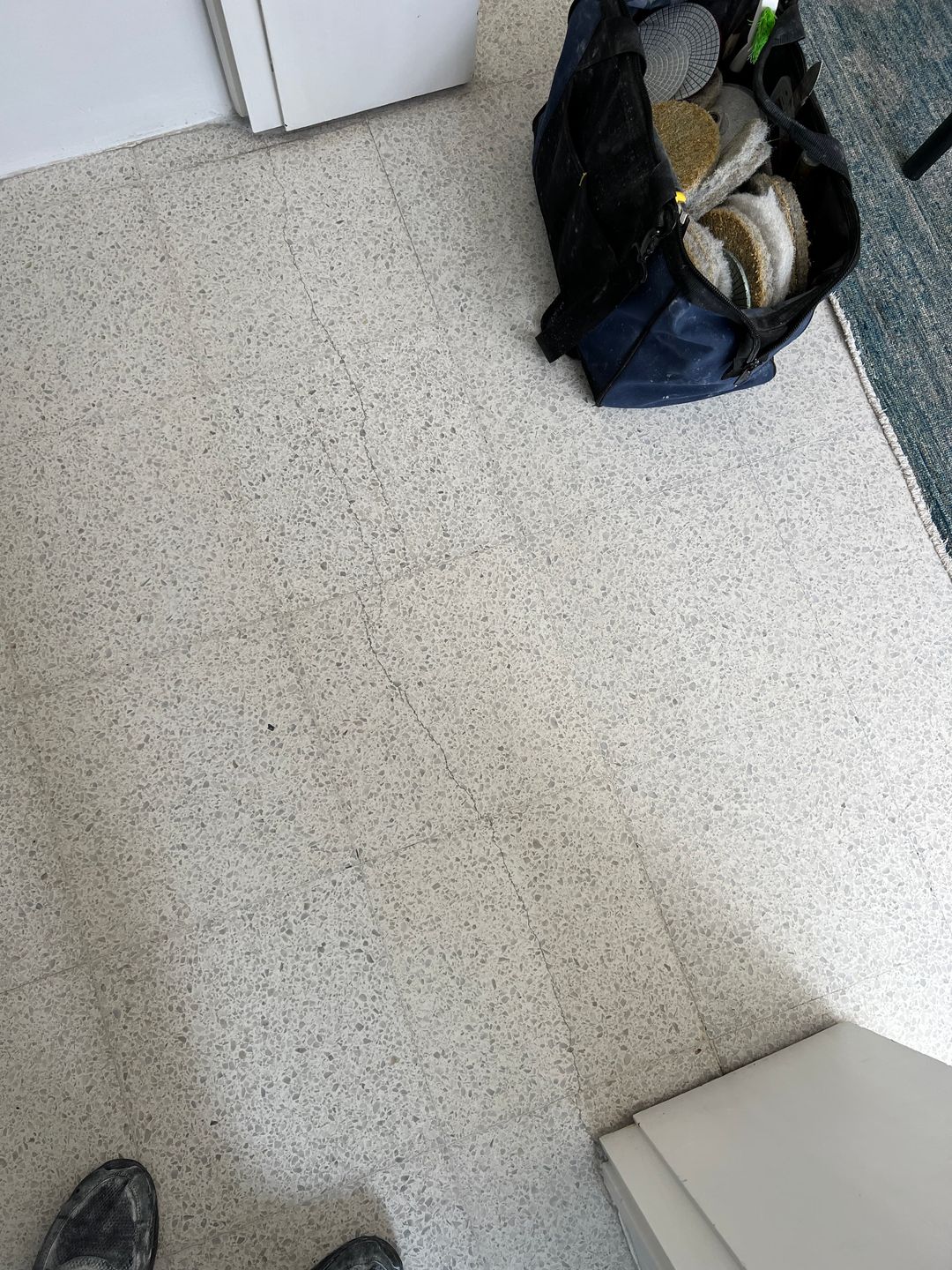
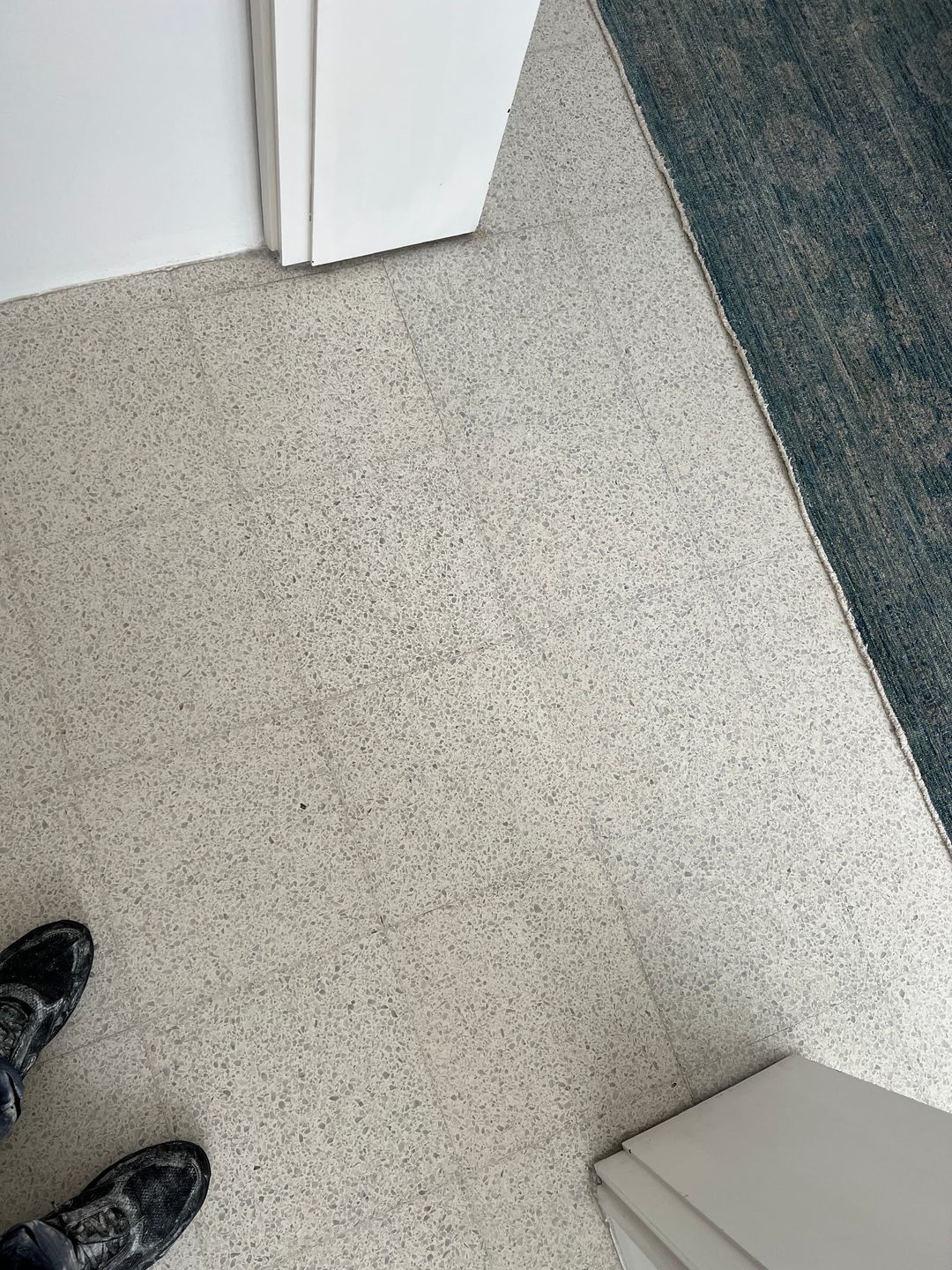
Send close-up and wide-angle photos, approximate dimensions and information about the stone and its location.
Every surface is assessed before work begins so the restoration plan matches the material, damage, and finish you want.
Assess fine cracks for movement and reduce their visual impact where a local repair is suitable.
Rebuild damaged corners and edges for a neater finish.
Check whether movement or moisture needs to be addressed before a surface repair.
See the same stone surface before and after our work.
Review the material, damage, access, and finish expectations.
Protect surrounding areas and prepare the surface for treatment.
Deep clean, repair and progressively hone, grind or polish the surface to the agreed finish where appropriate.
Where suitable, apply a premium impregnating sealer to reduce absorption and staining. For grout or silicone, complete the appropriate finishing and curing checks.
Provide cleaning, curing and maintenance guidance tailored to the treated surface.
“Ali was professional, honest, reliable and easy to communicate with. He was very careful in doing the work and we're very happy with the result.”
Malcolm Jones“The service and quality of work was excellent. The actual work was completed in a timely manner.”
Indriany Ruslim“Ali did a fantastic job restoring our chipped, stained and etched marble. It looks brand new.”
Susan THave a different question? Send photos of the surface and a short description of the issue.
ASK URBAN STONE →Many marks can be reduced or removed, but the outcome depends on the stone, depth of damage, previous treatments, and condition. We set realistic expectations after assessment.
Small areas may be completed in a day, while larger or more complex projects take longer. Timing is confirmed after inspection.
We protect adjacent finishes and use controlled wet or dust-managed methods where appropriate. The work area is cleaned before handover.
We provide aftercare guidance suited to the material and finish, including suitable cleaning products and habits to avoid.
Send close-up and wider photos so we can assess the damage and repair options.